


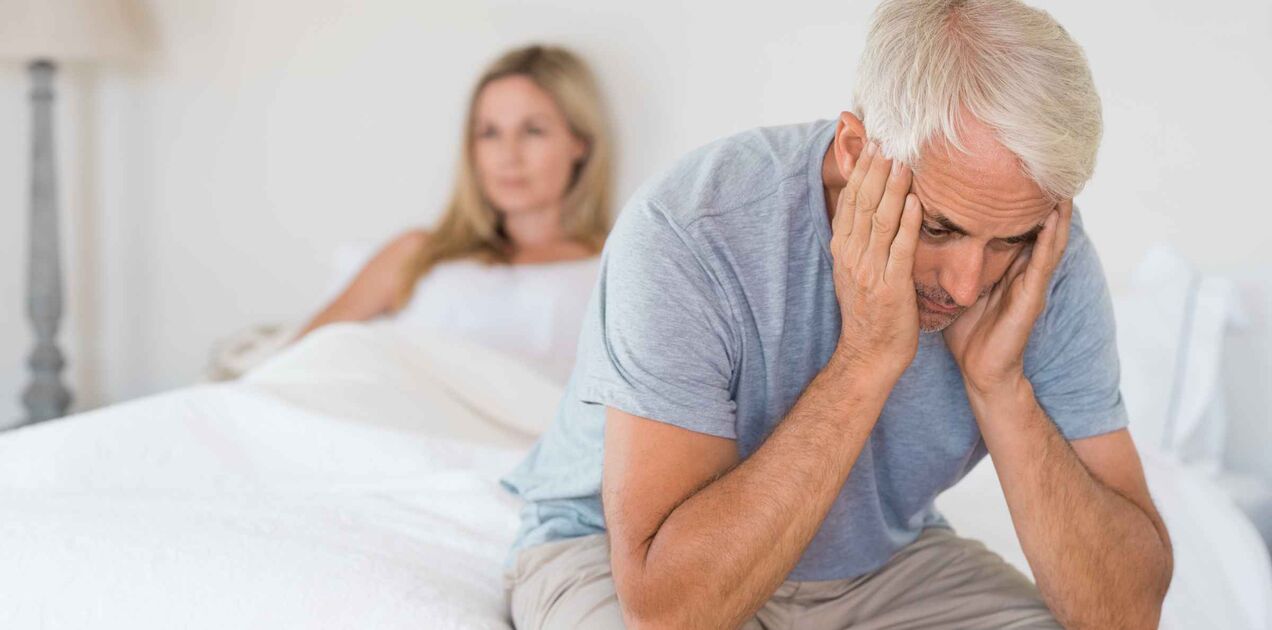
In the middle of the last century, it was believed that prostatitis developed in old age.Today the disease has become "younger", diagnosed in fertile 30-40 year old men.Inflammation tends to be chronic, which makes therapy more difficult.Doctors successfully solve men's health problems of any complexity.Urologists at the medical center develop personal therapeutic regimens, use the best drugs, and master modern methods of treating prostate diseases.
"Second Man's Heart"
The prostate is a small unpaired exocrine gland that is regulated by hormonal activity.This organ is located in the lower part of the pelvis, below the bladder.The wider side of the prostate covers the bladder neck.The posterior part is adjacent to the anterior wall of the rectum.The front part of the gland occupies a place in the pubic region of the junction of the pelvic bones.In the male body, the prostate performs three main functions:
- motor - controls the separation of urine and seminal fluid (due to this, sperm do not enter the bladder;
- secretory - the production of secretions responsible for the quality of seminal fluid and maintaining a stable erection;
- barrier - protection against upper urinary tract infections.
The function of the prostate gland begins to manifest during puberty, becoming fully functional at the age of 18-20 years.A decrease in the active function of organs is recorded in men who have passed the mark of fifty years.
Types and forms of prostatitis
The type of disease is determined by the cause:
- Bacterial prostatitis.It occurs as a complication of infectious and inflammatory processes in the urogenital tract (less often in other body systems).
- Abacterial prostatitis.It develops against the background of neurological physiological disorders, psychoneurological etiology, chronic diseases, and an unhealthy lifestyle.
The trigger of the inflammatory process is a congestive phenomenon (stagnation) in glandular tissue, which is provoked by an organic disorder or infection.
Forms are classified according to the nature of the manifestation of symptoms and the course of the disease:
- Acute inflammation.Characteristics of a type of bacterial disease.Accompanied by the intense manifestation of certain symptoms.
- Chronic prostatitis.It is not stable.A latent period is followed by a relapse with obvious symptoms.In 95% of cases it is of abacterial origin.
Symptoms of chronic prostatitis are often erased, while the inflammatory process continues.The uneven course of the disease is a reason to contact a urologist soon, which then leads to expensive treatment for complications.
Causes of prostatitis
Stagnation of blood circulation and prostate secretion occurs for reasons that correspond to the type of classification of the disease.
| Infectious causes | Caused by bacterial species |
|---|---|
| Sexually transmitted infections (STIs):
Bacterial diseases of the intestines, skin, respiratory organs caused by the activity of staphylococci, enterococci, Escherichia coli, Proteus, Klebsiella, etc. |
Neuralgia, rheumatism, neurosis, mechanical injuries of the spine and genital organs, intraprostatic reflux, chronic constipation (constipation), distress, history of urological diseases (cystitis, urethritis, etc.), physical inactivity, diseases of the endocrine system |
Provocative factors include irregular sexual intercourse (complete absence of sex), systematic hypothermia, chronic alcoholism.
Symptoms of the acute form of the disease
Acute prostatitis is characterized by severe inflammation in the prostate gland.Adjacent organs and systems are involved in the process, and psycho-emotional stability is disturbed.
Main symptoms:
- From the urinary system.Pollakiuria (frequent urination) with dripping urine, burning sensation, pain in the urethra.Urine becomes cloudy.The urge to empty the bladder is often false.
- From the reproductive system.Pain in the perineum, decreased potency, painful ejaculation.During intimacy (or immediately after), discomfort occurs in the glans and testicles.
- From the nervous system.Acute muscle pain in the lumbar and sacral region, lower abdomen.
- Psycho-emotional disorders.Increased restlessness, anxiety, irritability.
- From the digestive system.Constipation, aggravation of piles.
- From the side of the autonomic nervous system.Lack of appetite, headache, low body temperature (37–38 ℃), symptoms of hangover.The usual action causes rapid fatigue and the desire to lie down.
Against the background of inflammation, existing chronic diseases worsen.
Symptoms of chronic prostatitis
Prolonged inflammation of the prostate leads to disturbances in the morphological structure and performance of the organ.In the stage of remission, pathology reminds itself of increased fatigue and decreased performance.Disorders of the urinary system are characterized by repeated urges (often false) to empty the bladder, becoming more frequent at night.
Urination is moderately painful, after the excretion of urine there is a feeling of incomplete emptying.Prostatic secretions with the consistency of mucus with a yellowish color and an unpleasant odor (prostatorrhea) spontaneously flow from the urethra.
Patients are plagued by chronic pelvic pain syndrome - painful sensations localized in the lower third of the abdomen, pelvis and external genital organs, in the perineum, lumbar and sacral areas.
Chronic prostatitis is accompanied by sexual health disorders:
- unstable erection accompanied by pain;
- libido suppression;
- accelerated or difficult (often painful) ejaculation.
Against the background of sexual disorders, psycho-emotional instability develops.A man is subject to depression and sudden changes in mood - from aggression to apathy.Ultimately, this leads to absolute sexual impotence (impotence).
During the relapse period, the symptoms correspond to the acute form of the disease, but less intense.Aggravation is provoked by:
- General hypothermia.After a long stay in cold or frosty water, any chronic inflammatory disease, including prostatitis, worsens.
- Limited mobility.With physical inactivity, blood circulation in the pelvic organs is affected.Blood stagnation leads to swelling of the prostate, which compresses the nerve endings and urethra.
- Alcohol abuse.The chronic course of the inflammatory process is activated under the influence of alcohol.
- Long-term abstinence from intimate relationships.Lack of sexual intercourse leads to stagnation of prostate secretions, which causes aggravation.
- Tight underwear.Mechanical compression of the external genitalia disrupts the normal blood supply to the prostate gland.
Recurrence of this disease is caused by unhealthy eating habits.The abundance of fatty foods in the diet is one of the causes of hypercholesterolemia (increased cholesterol concentration in the blood), as a result, atherosclerosis develops.Cholesterol plaque blocks the free flow of blood, causing congestion in the prostate.Excess food that causes constipation in the menu leads to excessive tension in the perineal muscles.
Complications of prostatitis
If acute inflammation is not treated in time, a purulent mass accumulates in the prostate tissue and an abscess of the gland develops.This condition is characterized by a feverish temperature (39 ℃), chills, sharp intense pain in the perineum, ischuria (inability to empty the bladder freely).The only treatment method is surgery to open the suppuration and bougienage of the urethra (expansion of the urethra using a special metal bougie).
Lack of proper diagnosis, neglect of symptoms, long-term self-treatment of chronic prostatitis is the reason for the development of dangerous complications:
- prostate adenoma is a benign tumor that is prone to malignancy if not treated properly;
- stone formation in the gland;
- Epididymo-orchitis is an inflammation of the testes;
- vesiculitis - inflammation of the seminal vesicles;
- infertility (the first stage of the disease requires long-term therapy, the second is practically untreatable);
- impotence;
- Sclerosis of the prostate is the death of prostate cells.
Timely examination of the prostate in men will help to avoid serious consequences of inflammatory diseases.
Prostate examination
Rectal examination of the prostate is an unpleasant but very necessary procedure.It allows early detection of serious diseases such as adenomas, prostatitis, and malignant tumors.
Indications for rectal examination of the prostate
Every man over the age of 40 should visit a urologist at least once a year.The earlier the inflammatory process, benign and malignant neoplasms are diagnosed, the greater the chance for complete recovery of the prostate gland.Patients receive a gentler treatment, maintaining libido, sexual activity and the ability to fertilize.
Sometimes men under the age of 40 find warning signs, but postpone a visit to a urologist.Indications for immediate prostate examination are:
- pain of any intensity in the perineal area;
- erectile dysfunction;
- premature ejaculation;
- reduction in the amount of sperm produced;
- discomfort during intercourse and defecation.
Do not ignore problems with urination - too frequent urgency, pain, the feeling that the bladder is not emptied, unpleasant changes in the smell and color of urine.If you see at least one sign, be sure to make an appointment with a urologist.
How is a digital prostate exam performed?
A few hours before the procedure, you must refrain from:
- sexual intercourse;
- masturbation;
- playing sports;
- riding a bike;
- physical labor.
Before visiting the doctor, you need to empty your bladder and do a cleansing enema with salt water or chamomile decoction.
Before examining the prostate, the man takes the knee-elbow position, lies on his side with bent legs, or stands leaning forward and puts his hands on the table.The doctor puts on sterile gloves and lubricates the patient's index finger and anus with Vaseline or lubricant.
During a rectal examination of the prostate, the doctor massages the lobes of the prostate gland from the side to the center.With the help of palpation you can evaluate:
- size and shape;
- texture and elasticity of organs;
- the symmetry of its elements;
- expressive contours and longitudinal grooves;
- the presence of pain, lumps and knots.
These data make it possible to determine whether there are pathological changes in the prostate.
In addition, during the procedure, prostate secretions are obtained.This fluid is sent for analysis, which shows the content of bacteria, leukocytes, red blood cells, and pathogenic microorganisms.
Based on the results of digital prostate examination, the doctor may prescribe additional diagnostic measures.This includes clinical analysis of urine and blood, tests for tumor markers, ultrasound of the prostate gland, etc.
Disease diagnosis
Making an accurate diagnosis consists of several stages:
- initial consultation with a urologist;
- a set of laboratory tests;
- hardware examination of the prostate;
- repeated appointments with the doctor.
A consultation with a urologist includes:
- identification of symptoms, their characteristics (duration, intensity);
- taking an anamnesis (past illness);
- clarification of information about working conditions, lifestyle characteristics, habits, and regularity of sexual relations;
- visual assessment of the external genitalia for the presence of rash, redness, swelling, discharge from the urethra;
- palpation of inguinal lymph nodes;
- rectal examination palpation of the prostate (determining pain, contour, density, elasticity of the gland, assessing the condition of the interlobar septum);
- collection of biomaterials for laboratory research;
- test assignment.
Medical appointments do not have strict time limits.In specialized clinics, each patient is given maximum time and attention.
For the differential diagnosis of bacterial and bacterial prostatitis, to determine the form of the disease, a man takes a blood test, urine, prostate secretion, and a smear from the urethra.
The doctor takes a sample of prostate secretion with his own hands during a rectal examination of the gland.For the examination, disposable medical gloves, lubricants (vaseline, gel lubricant, glycerin) that facilitate penetration into the rectal ampulla, and sterile glasses are used.The depth of penetration does not exceed 5 cm.The professional qualifications and experience of the urologist ensure the safety and painless procedure.
Venous blood was collected using a modern vacutainer.The medical center strictly adheres to the sterility rules for collecting biological material.
Laboratory tests
Research is carried out by experienced specialists in clinical diagnostic laboratories.The laboratory department of the medical center is equipped with modern equipment that allows performing tests of any complexity.
The list of tests includes:
- Smear bacteriological culture to determine STI.A sample of biomaterial is grown on nutrient media suitable for the growth of pathogenic microorganisms.Active reproduction and colony formation of certain pathogens indicate the presence of infection.Based on bacterial culture, an antibiogram is performed to determine the pathogen's resistance to antibiotics.
- General urine analysis.Deviations from the norm (leukocyturia, bacteriuria, cylindruria, etc.) indicate the presence of an inflammatory process.
- A blood test for PSA (prostate-specific antigen) is a marker for tumors of the male reproductive system.It is performed using the highly accurate chemiluminescence immunoassay (CHLA) method.
- Studies on prostatic secretions (microscopy and culture).Allows you to determine inflammation, the presence of microbes (E. coli, staphylococcus, etc.)
Comprehensive screening for STIs can be done using a blood sample.
Hardware diagnostics is TRUS (transrectal ultrasound) of the prostate gland.It is performed using a cylindrical sensor with a diameter of no more than 1.5 cm, inserted into the rectum.A pre-lubricant sensor, and a special disposable attachment (condom) is placed on top.The data is sent to a monitor, where the urologist visually assesses pathological changes in the prostate gland.
Recurring appointments
After re-appointment, the doctor:
- evaluate test results;
- design a personal therapeutic regimen taking into account the type, form, course of prostatitis, drug tolerance, and the patient's age;
- design control studies.
We offer to make an appointment at a convenient time for the patient by phone or through the website by filling out an online form.
Prostatitis therapy
In the clinic, a man can undergo full treatment for prostatitis.Course therapy for acute inflammation of the prostate gland includes three stages:
- relieve symptoms and inflammation;
- restoration of function, stabilization of glands;
- unification of decisions, prevention of complications.
First stage
For prostatitis of infectious etiology, antibiotics are initially prescribed to destroy the infectious agent.The choice of drug is based on the results of the antibiogram.In parallel, drugs of several pharmacological groups are used:
- Alpha adrenergic blockers.Medicines help to relax the smooth muscle tissue of the prostate and bladder neck, reduce internal pressure in the urethra, normalize the outflow of urine, and reduce swelling of the gland.
- Enzymes.They dilute prostate secretions, increase the local immunity of the organ, increase the antibacterial effect, and reduce the manifestation of inflammation.
- Immunomodulator to restore immunity.
- Nonsteroidal anti-inflammatory drugs (NSAIDs).They reduce inflammation and relieve pain.
The doctor chooses the medicine and dosage personally according to the symptoms, type, and form of the disease.
Second stage
After the acute symptoms are relieved, they turn to drugs and methods that help stabilize the gland.Drug treatment includes:
- vascular drugs (to increase blood supply to the prostate);
- immunostimulants;
- drugs that normalize the process of urine excretion;
- anti-inflammatory drugs;
- medicine to restore erection.
In complex treatment, oral drugs and rectal suppositories (regenerative, antibacterial, immunostimulating, anti-inflammatory, analgesic) are used.
Special methods include prostate massage.The mechanical effect on the prostate gland allows you to:
- accelerate blood circulation;
- strengthens the walls of capillaries and blood vessels;
- activate the exchange process;
- creating an outflow of secretions;
- normalizes bladder emptying;
- increase the effectiveness of drug therapy;
- restore sexual activity.
Massage procedures are carried out for therapeutic and preventive purposes.
Massage type:
- using a dilator (bougie);
- internal palpation;
- non-invasive (no penetration);
- penetrating or external hardware (carried out using a special massager).
Third stage
Treatment is completed with ozone therapy and laser therapy.Rectal ozone therapy consists of daily administration of freshly prepared ozone isotonic sodium chloride solution.
Laser treatment of inflammation of the prostate gland is a progressive physiotherapeutic technique that allows you to quickly achieve positive dynamics and prevent prostatitis complications.Rectal laser direction action:
- regenerate glandular cells;
- relieves inflammation and pain;
- strengthen local immunity;
- improves blood supply to the prostate and the condition of the blood vessels.
The frequency of sessions is 2-4 times a week, the duration of one procedure is 10-20 minutes.Based on the decision of the attending physician, laser therapy begins with the second stage of treatment.
In addition, phytotherapeutic agents are used.
Features of chronic prostatitis treatment
This form of prostatitis is characterized by a wave-like course, in which the exacerbation of chronic prostatitis is replaced by a period of complete absence of unpleasant symptoms.In some cases, the symptoms are observed continuously, but have a fading and soft character.In most cases, men experience difficulties for a long time in the form of impaired urination, dull pain in the lower abdomen and perineum, and weak potency.Patients with this diagnosis often turn to the doctor precisely during the exacerbation of symptoms.
Treatment of chronic prostatitis begins with a detailed examination designed to find out what caused the inflammatory process.Based on the diagnostic results, urologists choose drugs from several groups:
- Antibacterial drugs are prescribed to patients diagnosed with chronic bacterial prostatitis, as well as for diseases of non-bacterial origin.In addition to suppressing the activity of pathogenic microflora, drugs in this group help reduce inflammation.
- Alpha-blockers are prescribed to patients with severe urinary disorders.Medicines increase the rate of urine flow and relieve symptoms.
- Muscle relaxants are prescribed to patients with chronic pelvic pain and acute symptoms of chronic prostatitis.
- Urologists recommend using hormonal agents for the active growth of prostate gland tissue against the background of chronic inflammation.
- Immunomodulators are used for chronic inflammation of the prostate of any origin, whether allergic, bacterial or abacterial prostatitis.
In addition, agents are used that stimulate blood circulation in the pelvic organs and the prostate itself, as well as potency stimulants.Treatment methods such as prostate massage, physiotherapy (electrophoresis, shock wave therapy, UHF and more), a set of exercise therapy exercises to relax the muscles of the perineum and pelvic floor, as well as laser therapy also help to improve the prognosis.
All these methods are widely used in the clinic, which makes it possible to achieve high treatment results, even if the patient is diagnosed with chronic calculous prostatitis, one of the complicated forms of chronic inflammation of the prostate gland.Specialists of the center pay special attention to preserving the function of the genitourinary system in men, thanks to which patients after therapy can lead a full life and even become parents.Only with complex treatment with the use of correctly selected drugs, physiotherapy and prostate massage can positive results in treatment be achieved.
Prevention of inflammatory processes in the prostate
Preventive measures include:
- Change eating habits.A balanced diet with limited fatty and high-calorie foods.Enrich the diet with vegetables, fruits, products for men's health (nuts, honey, seafood, etc.).
- Physical activity (regular exercise helps normalize blood circulation in the genital area).
- Protected sex is the use of barrier contraception (condoms) to protect against sexually transmitted diseases.
- Frequent sex is a pleasant and useful prevention of congestive phenomena in the prostate.
- Limit alcohol.Alcohol abuse leads to decreased potency, libido, and inhibition of testosterone synthesis.
- Rest completely.Psycho-emotional stress, insomnia (insomnia), physical fatigue are provocateurs of abacterial prostatitis.
- Regular visits to the urologist and screening for STIs.This disease is easier to prevent than to treat.
Urologists provide preventive examinations of the prostate gland.